Virtual Exhibitions Are Cultural Infrastructure, Not Products
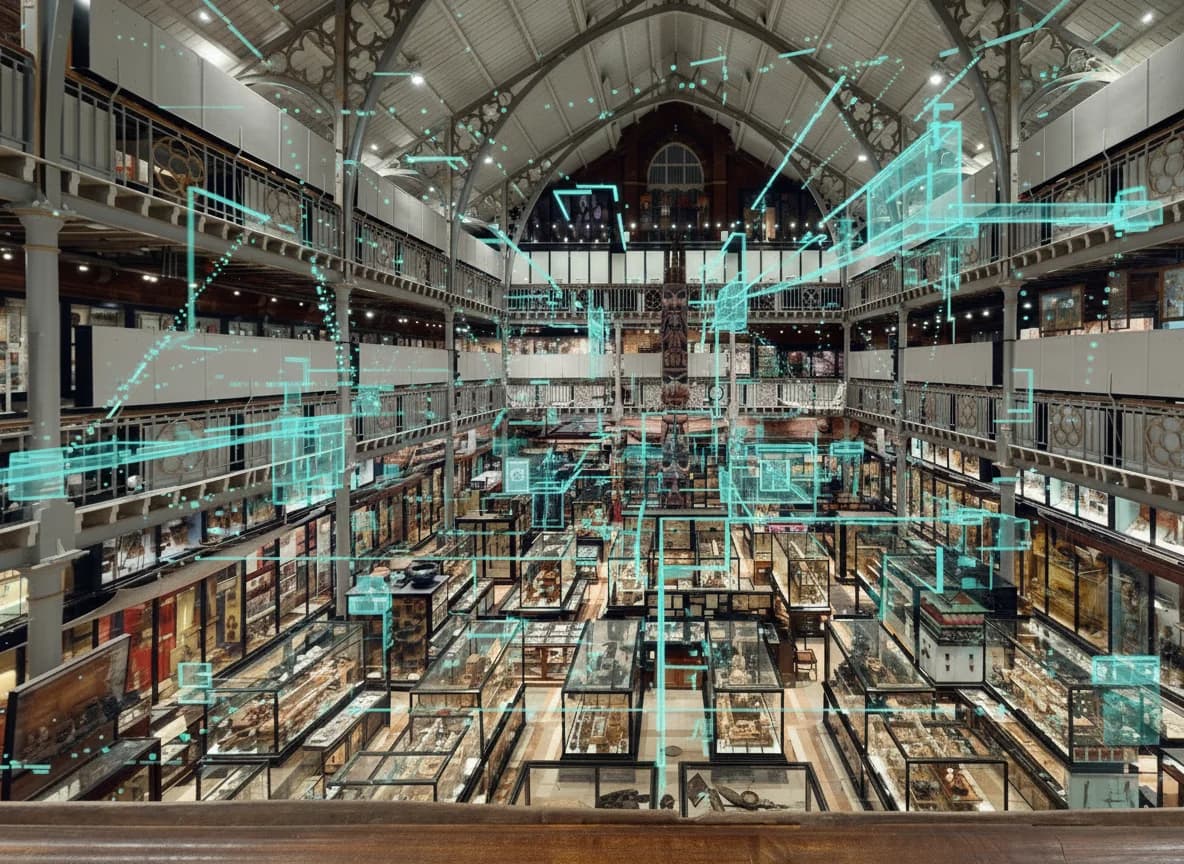
Virtual exhibitions are more than digital companions to physical shows. Joe Clark discusses how structured datasets, digitisation and AI supported workflows can help museums and galleries build resilience, expand access, and navigate tightening public funding.
Virtual exhibitions have existed in the cultural sector for more than a decade, yet their potential is often misunderstood. They are frequently treated as temporary digital outputs or novelties attached to physical shows. In practice, they are becoming a form of cultural infrastructure. They preserve institutional memory, expand access, and provide a long term foundation for research, interpretation and audience engagement.
At V21 Artspace, we have spent eight years photographing, digitising and presenting exhibitions for museums, galleries and artists. What we did not anticipate is that we were quietly building a substantial dataset. Each virtual exhibition contained spatial information, object relationships, captions, texts and image assets. None of this was originally designed as a database. It simply accumulated because our work generated it.
It was only when restructuring our platform that we recognised the value and scale of what we had created. Hundreds of exhibitions needed to be catalogued, standardised and interlinked. Even a few years ago, this would have required a full development team and significant financial investment. Using AI assisted tools, automated extraction and natural language processing, we were able to convert eight years of fragmented material into a structured, coherent dataset within weeks. The technology accelerated the work, but the cultural and curatorial understanding still guided every decision.
This process closely reflects findings published in Digital Applications in Archaeology and Cultural Heritage. The journal highlights that digital surrogates and virtual reconstructions create new forms of evidence and offer preservation benefits far beyond simple documentation. When datasets are structured and treated as long term assets, they support comparative study, thematic research and new interpretations that would be difficult to achieve through physical archives alone. This confirms what we have experienced in practice. Our virtual exhibitions are no longer just records of what once existed. They have become resources that help institutions understand their own histories, curatorial shifts and patterns of programming.
My view is shaped not only by running a digital studio but also by being a private art collector. Living with artworks gives you an appreciation for their fragility and the responsibility of preserving the ideas and contexts that surround them. Digitisation is not a substitute for physical stewardship, but it is a powerful extension of it. It ensures that knowledge, interpretation and curatorial thinking endure even when objects travel, are sold, or fall out of public view.
A critical issue for the sector today is that public funding is tightening rapidly. Institutions are being asked to do more with less and to justify the value of every output. Virtual exhibitions and their datasets offer a practical response to this reality. By structuring their digital archives, institutions can:
• Analyse curatorial patterns over time
• Support funding applications with clear evidence of public value
• Create thematic or research driven digital exhibitions without producing new physical shows
• Generate educational resources at low cost
• Open their archives to broader audiences
• Build long term institutional knowledge that is not lost with staff turnover
The point is not that datasets replace funding. It is that they allow cultural organisations to extract greater value from what they already produce. Every exhibition generates text, images, spatial logic and curatorial reasoning. When these materials remain unstructured, their value is locked away. When they are organised and connected, they become assets that support future programming, scholarship and public engagement. This is especially important for organisations facing uncertainty, as a strong digital foundation helps maintain visibility and relevance even when physical programming contracts.
This is why virtual exhibitions should not be treated as short term digital products. They are engines for access, resilience and institutional continuity. They allow exhibitions that existed for six weeks to remain visible for decades. They create public resources that do not require additional physical space. They preserve the experience of moving through an exhibition, which is culturally meaningful in its own right.
For institutions reconsidering their digital strategies, the question is no longer whether virtual exhibitions are worthwhile. The question is how to integrate them into long term planning. With structured metadata, consistent taxonomies and sustainable workflows, virtual exhibitions become assets that deepen the cultural record and enrich public life.
At V21, our experience has shown that the future of digital culture is not simply technical. It is strategic. It is about creating systems of meaning that endure. Virtual exhibitions, treated properly, ensure that the ideas, voices and contexts of our time are carried forward. They are not an optional extra. They are part of the infrastructure of cultural memory.
Related News
4 June 2026
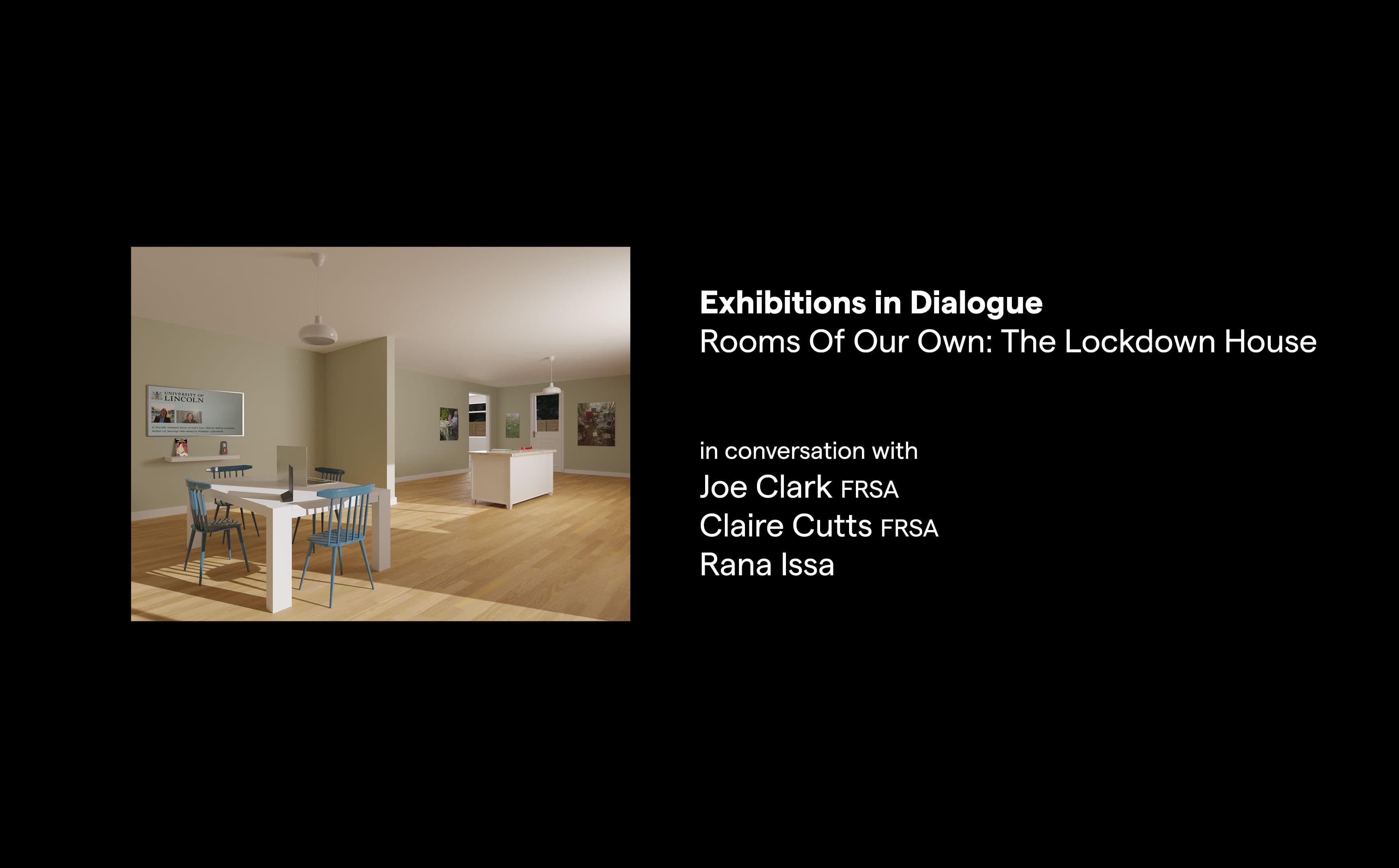
Exhibitions in Dialogue: Rooms of Our Own, The Lockdown House

10 February 2026
Jeffrey Porterfield joins V21 Artspace as Director of Partnerships, North America
6 June 2024