Services · Photography and documentation
Medium-format photography for collections.
Inventory images, installation views and high-resolution captures of large and fragile works, shot by our in-house photographer Joe Clark on a Hasselblad medium-format system and colour-managed from capture to delivery. Then served so people can zoom into every thread.
IIIF deep zoom
Zoom into a tapestry map of 1632.
The Nottinghamshire tapestry maps, photographed by V21 Artspace for Nottingham City Museums and Galleries. The north map is inscribed “At Rampton made wee were by Mistress Mary Eyre” and dated 1632. Each map is stitched from several Hasselblad frames and served here as a IIIF image, so you can zoom from the whole county to single stitches.
Loading tiles
Scroll or pinch to zoom · Drag to pan
Case study · Nottingham Castle, 2019
Two maps, many frames, one seamless image each.
See the whole Nottingham Castle project01
Capture
Each map was photographed on the Hasselblad in a grid of overlapping frames under even, controlled light, recorded as raw files.
02
Stitch
The frames were aligned and blended in Photoshop into one seamless image per map: about 49 and 43 megapixels.
03
Colour and finish
Colour was balanced to the original, then the edges were trimmed cleanly, on a transparent ground and on a neutral one.
04
Deliver
Master TIFFs in Adobe RGB for print and sRGB for screen, with JPEGs at high, medium and low resolution, all with embedded colour profiles.
Colour accuracy
The colour of the object, not the camera.
For a conservator, a registrar or a buyer, an image is only useful if it can be trusted. Our workflow is built so the colour on screen and in print matches the work in the room.
Medium-format capture
A Hasselblad H6D sensor records far more tonal and colour information than a standard camera, so subtle shifts in pigment, thread and paper survive into the final file.
Reference under the same light
A colour reference chart is photographed in the lighting used for the work, and the raw files are profiled against it rather than adjusted by eye.
Calibrated end to end
Editing is done on calibrated, profiled screens, and every file leaves with an embedded ICC profile, so the colour you approve is the colour that prints and publishes.
The right space for the job
Adobe RGB masters keep the full range for print and conservation records; sRGB derivatives are made for web, catalogues online and social channels.
Inventory photography
Every work, square-on and true to colour.
Catalogue images for the Joseph Clark Collection: each work photographed straight-on in its frame against a neutral ground, with colour matched to the original, for the online catalogue, condition records, loans and insurance.
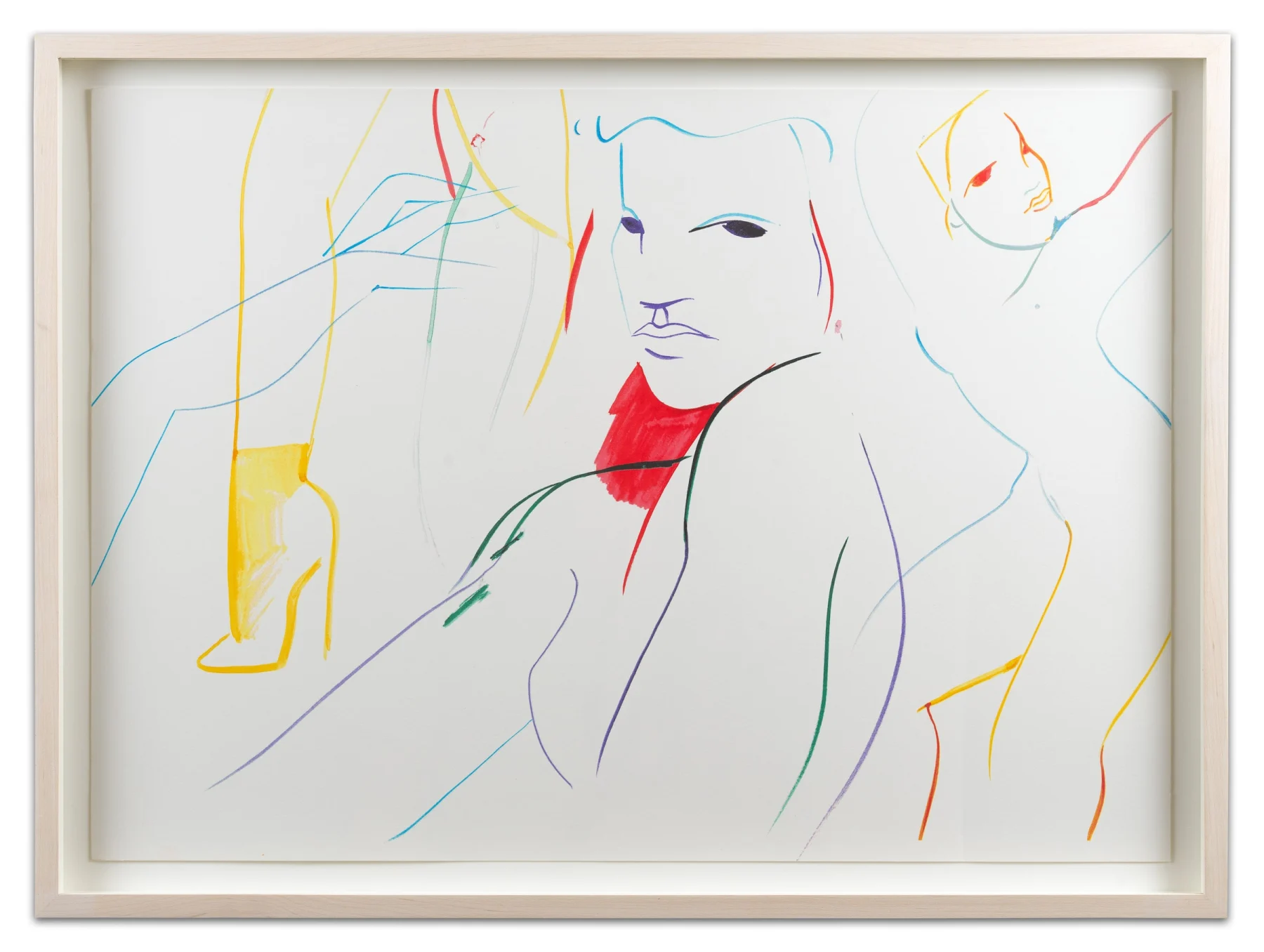
France-Lise McGurn
Dream bod and Bronco, 2020
14-colour silkscreen print, framed
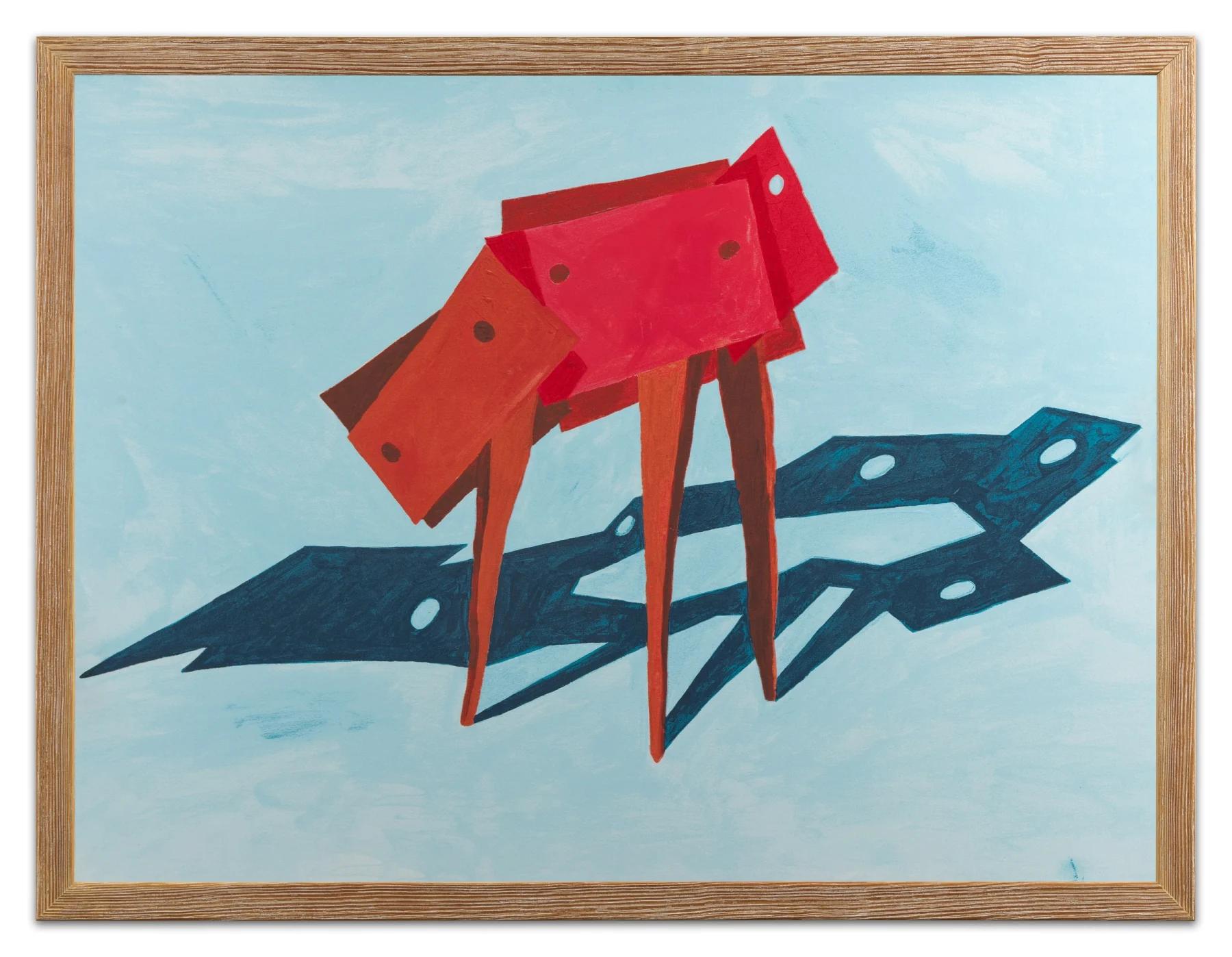
Phyllida Barlow
pointer, 2020
16-colour silkscreen print, framed
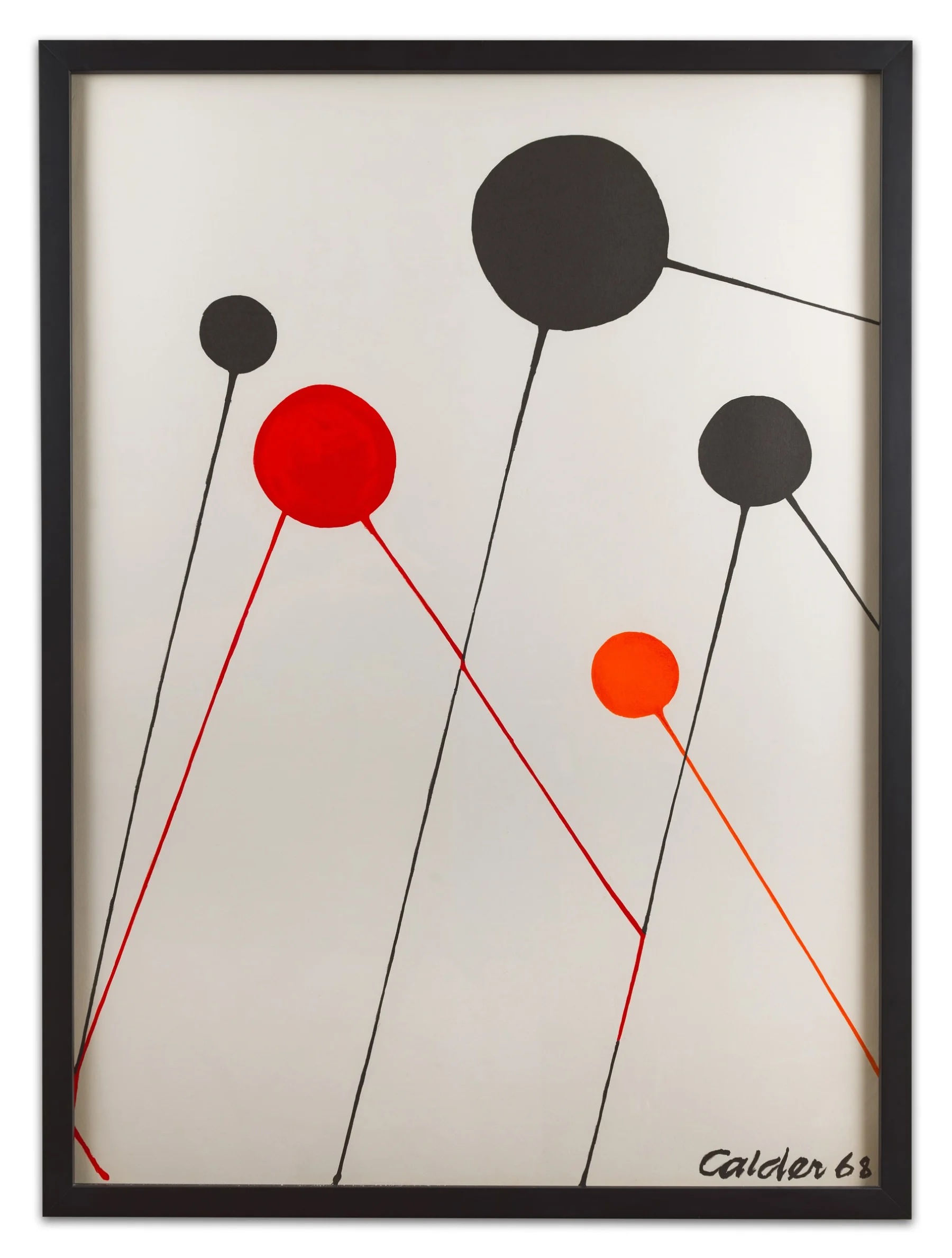
Alexander Calder
Balloons, 1968
Lithograph, framed
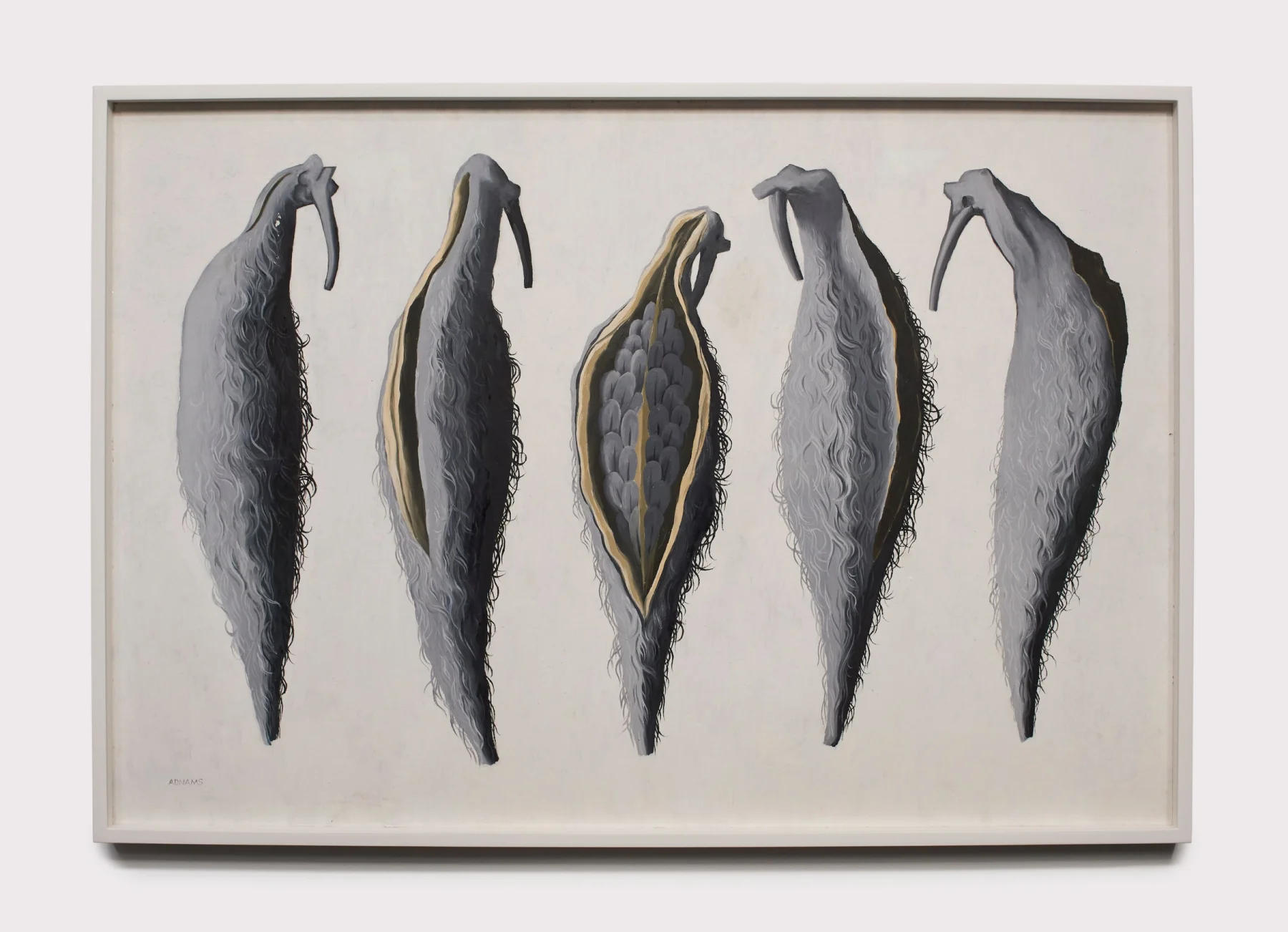
Marion Adnams
Colloquy, 1968
Oil on board, framed
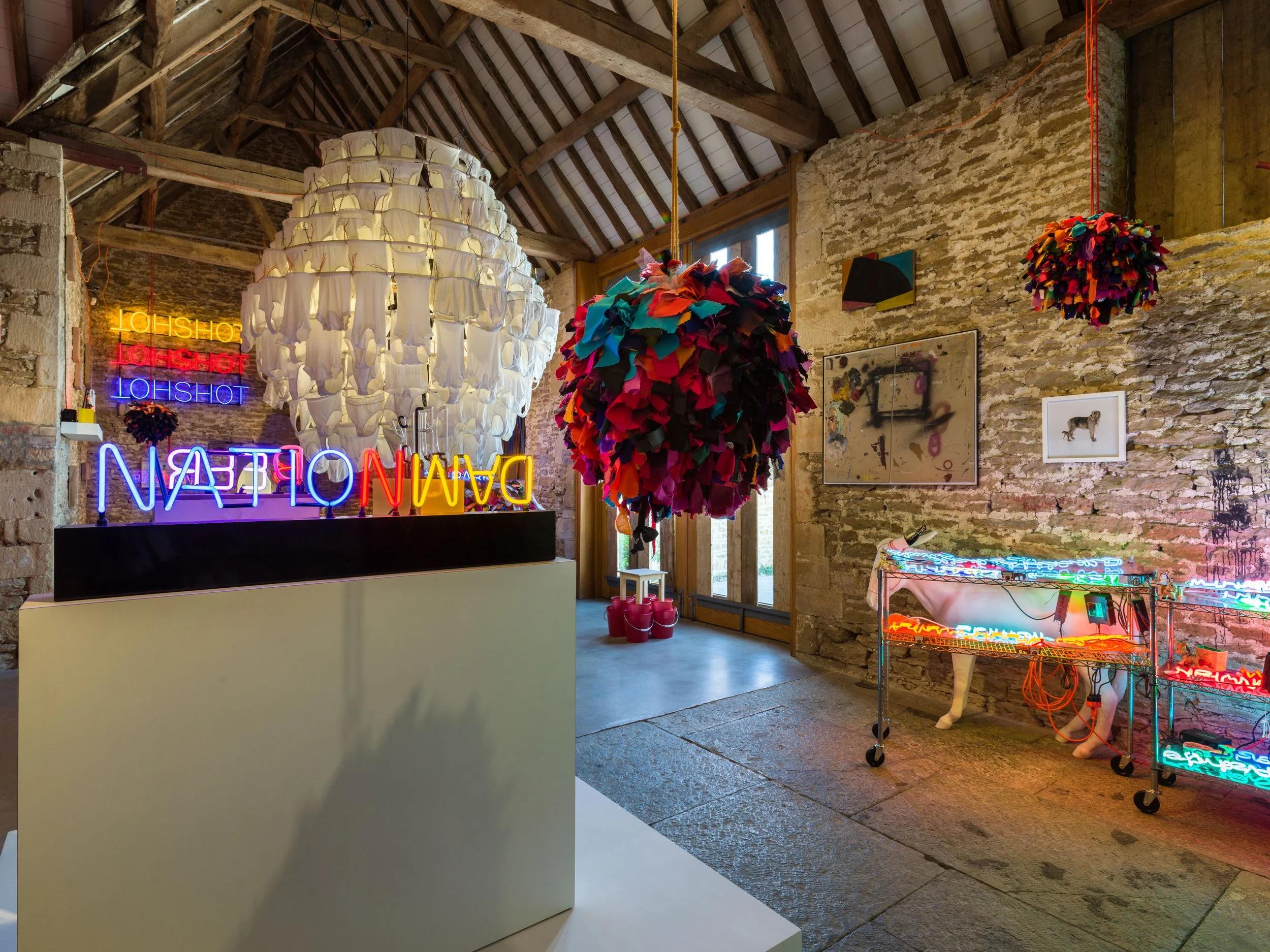
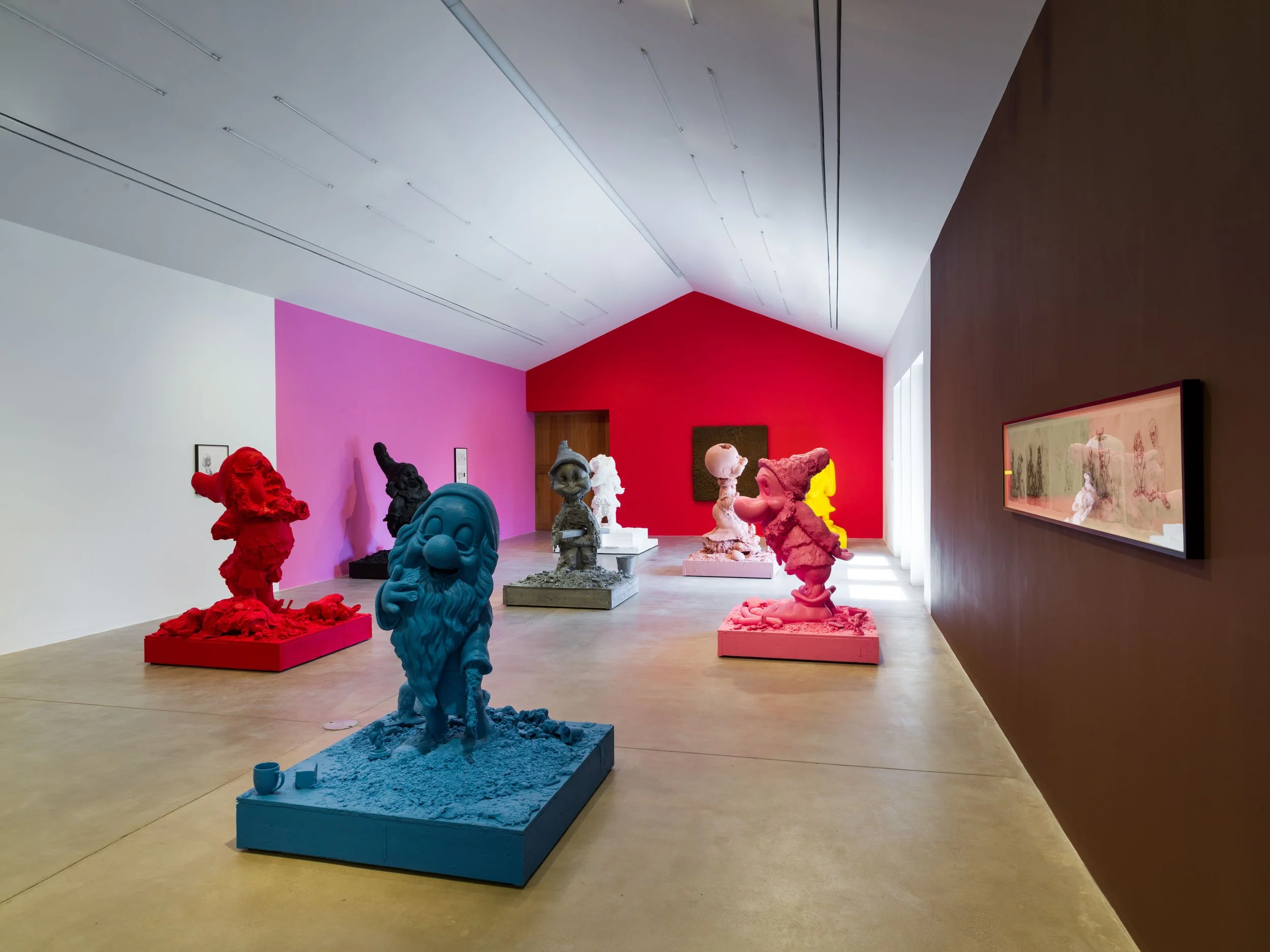
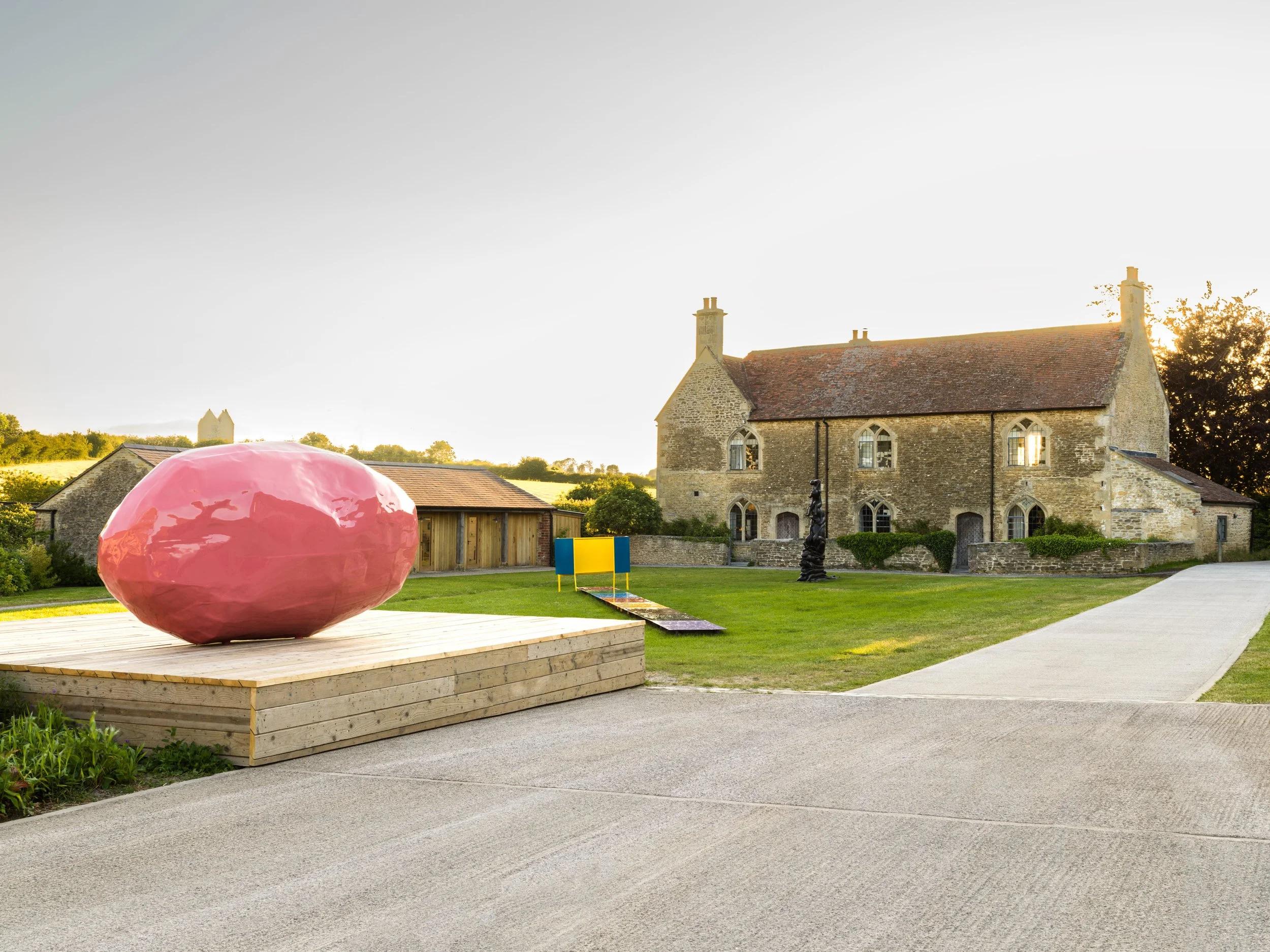
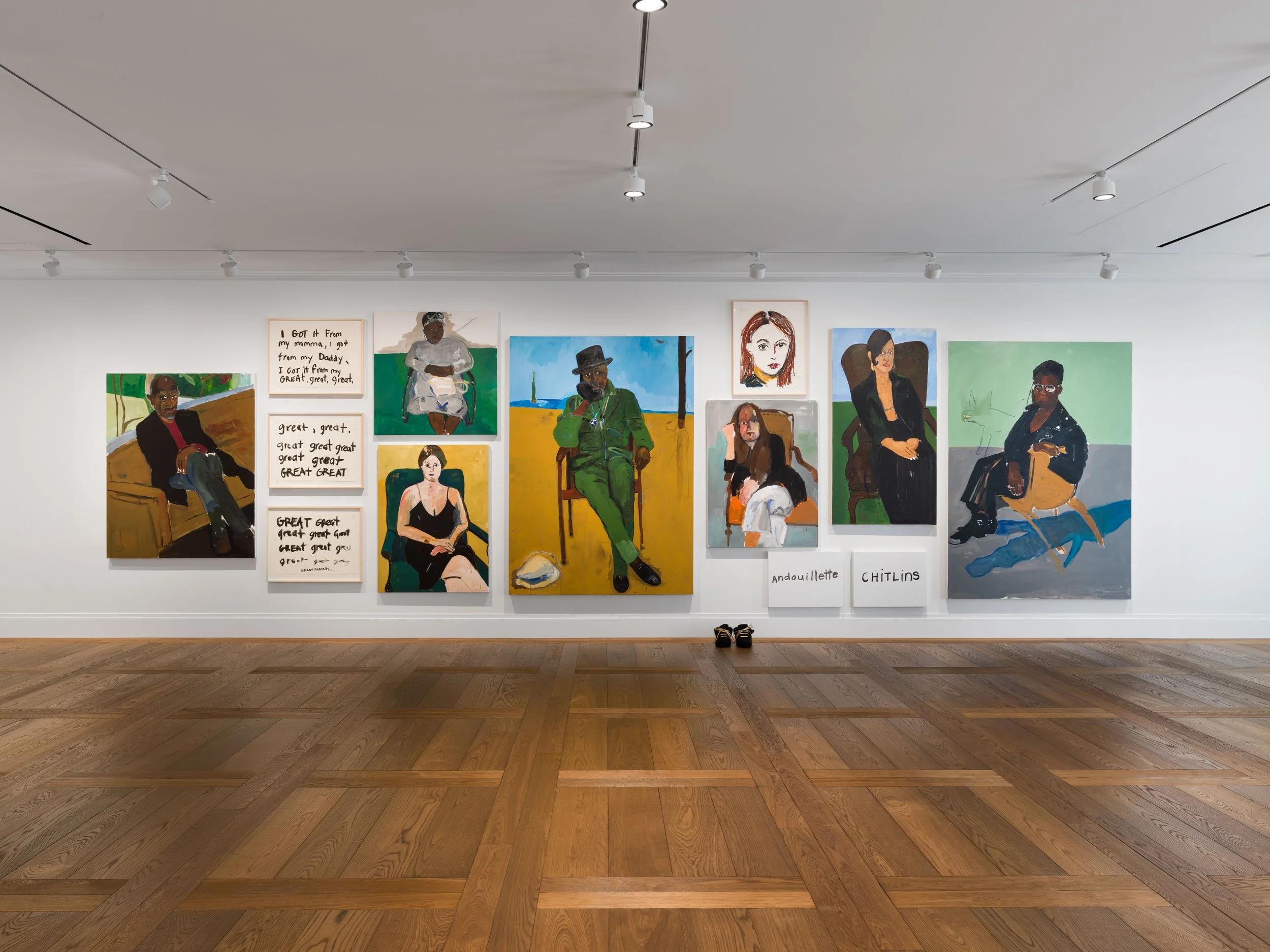
Installation photography
The exhibition as it was hung.
Wide views, sequences and details that record how a show was installed and lit, shot around opening hours and often on the same visit as a 3D capture, so one trip produces several lasting records.
AI-assisted linking
Connect installation views to the inventory.
Most collections hold thousands of installation photographs that are never connected to the records of the works in them. We use AI image matching to find those connections and build them into a searchable network of works, exhibitions and images.
01
Recognise
An image-matching model compares every installation photograph with the inventory images and finds each catalogued work in the frame, even at an angle, behind glass or across a room.
02
Propose links
Each match becomes a suggested link between the work's record and the photograph, with its position in the image, the exhibition, the room and the date.
03
Confirm
Your team approves or corrects each suggestion. Nothing is published as fact until a person has checked it.
04
Connect
The result is a relational network: every work linked to every exhibition, loan, photograph and text it belongs to, so a click on a painting in an installation view opens its record, and a record shows every room it has hung in.
Links are stored as structured data and can be published as IIIF manifests with regions marked on each photograph, so the same network works on your website, in your collections database and in other institutions’ viewers.
IIIF for your collection
We can set up deep zoom for your own images.
From new photography or your existing high-resolution masters, we cut IIIF image tiles, host them, write the manifests and add a zoom viewer to your website or collections platform. No specialist server is needed.
Questions
Which camera do you use?
A Hasselblad H6D medium-format system with HC lenses, including a tilt-shift adapter for correcting perspective on architecture and large flat works.
Can you photograph works too large for one frame?
Yes. Tapestries, maps, murals and large paintings are captured as overlapping frames and stitched into a single high-resolution image, as with the Nottinghamshire tapestry maps.
What is IIIF?
The International Image Interoperability Framework is the open standard museums and libraries use to share high-resolution images. A IIIF image can be deep-zoomed on your own site, opened in viewers such as Mirador or Universal Viewer, and compared side by side with images held by other institutions.
Do you use AI on the photographs themselves?
No. Documentary images are not generated or altered by AI. We use AI only to help organise and link records, and every link is checked by a person.